
Onsite Food Waste Processing: Comparing Macerators, Digesters and Dehydrators
As disposal costs rise and sustainability expectations increase, businesses are rethinking how they manage food waste.
Traditional bin-based systems are being phased out in favour of onsite food waste processing technologies that reduce handling, improve hygiene, and support diversion targets.
The three main options available are:
- Macerators (e.g. Biofeed)
- Digesters
- Dehydrators
While each approach offers a different pathway, the real question is: which system actually performs best in a live commercial environment?
How Each System Works
Macerators (Biofeed)
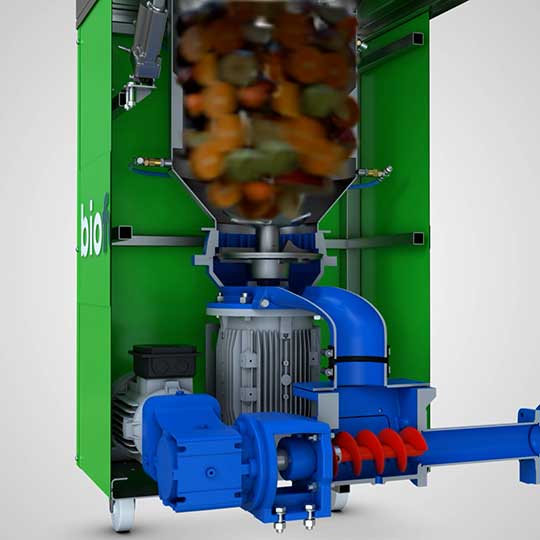
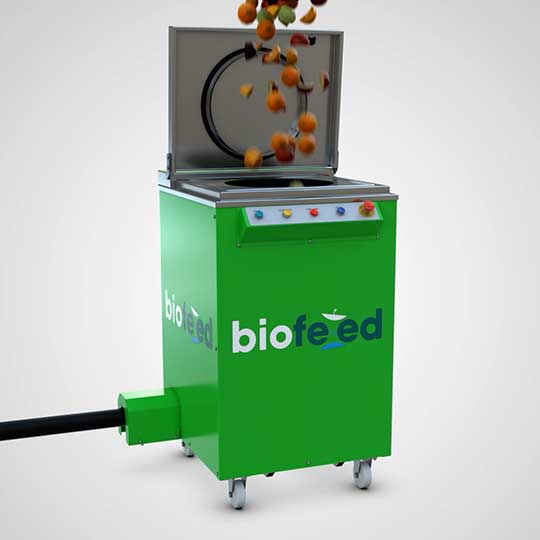
Maceration systems mechanically break down food waste into a liquid slurry, which is pumped into a sealed holding tank and collected when required.
- Fast, batch-based processing (typically 30–40 seconds per cycle)
- Converts waste into a pumpable liquid stream
- Stored onsite in a controlled, sealed system
- Designed for high-throughput environments
Digesters
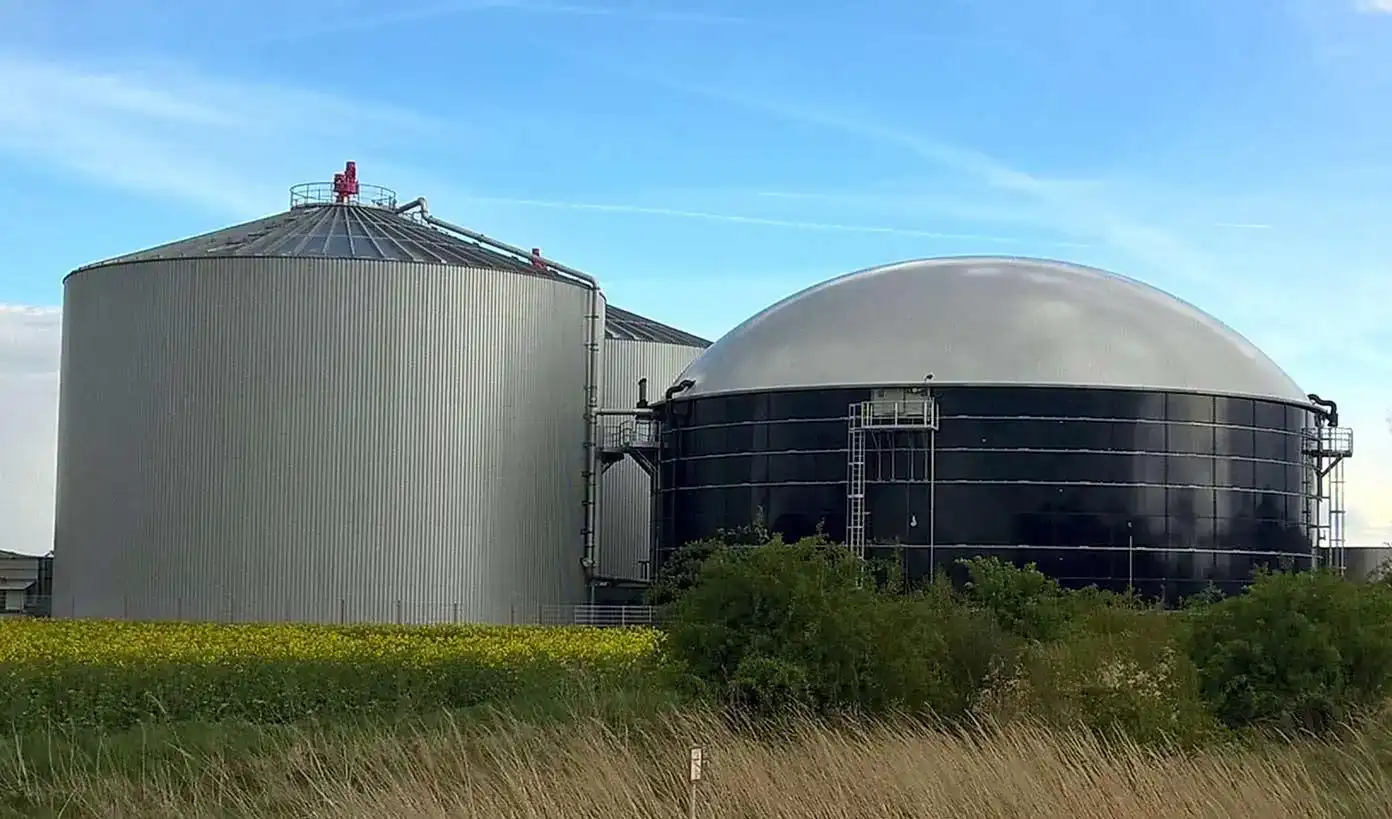
Digesters use enzymes or microbes to biologically break down food waste into liquid, which is discharged to sewer or a grease trap.
- Continuous process
- Requires water, power, and biological inputs
- Waste leaves the site via discharge
Dehydrators
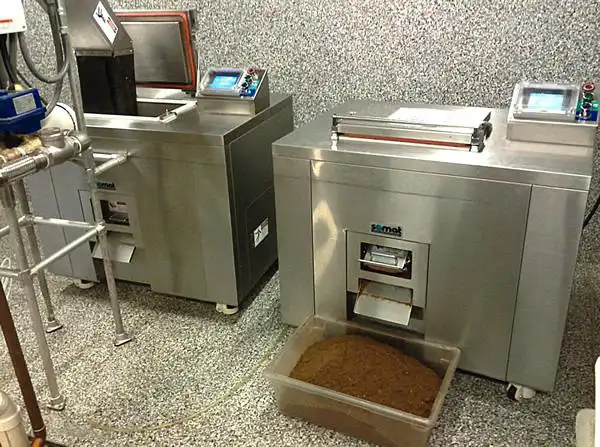
Dehydrators apply heat to remove moisture from food waste, leaving behind a dry, reduced-volume material.
- Batch-based processing (hours per cycle)
- Produces a dry output
- Waste still requires collection
Comparing the Options
To properly assess these systems, it’s important to look beyond the concept and evaluate how they perform across key operational factors.
1. Operating Cost
Digesters introduce ongoing costs through:
- Continuous water usage
- Electrical demand
- Consumables (enzymes or microbes)
Dehydrators are typically the most energy-intensive option:
- Continuous heating over long cycles
- High electricity consumption
Macerators (Biofeed):
- Low energy usage
- No consumables
- Reduced collection frequency
Outcome:
Maceration consistently delivers the lowest total cost of ownership.
2. Throughput & Processing Speed
Digesters:
- Slow processing (often 8–16 hours)
- Must be sized to handle peak waste loads
Dehydrators:
- Long batch cycles (up to 24 hours)
- Limited throughput
Macerators:
- Rapid processing (seconds)
- Easily handles peak service periods
Outcome:
Maceration is the only solution that aligns with the pace and variability of commercial kitchens.
3. Infrastructure & Integration
Digesters:
- Require discharge approvals
- Often need integration with grease traps or sewer systems
Dehydrators:
- Require significant electrical capacity
- Ventilation considerations
Macerators:
- Require a holding tank and standard pump-out servicing
Simple, well-understood infrastructure
Outcome:
Maceration is typically the easiest and most predictable system to integrate.
4. Waste Outcome
Digesters:
- Discharge waste to sewer
- Increasing scrutiny around whether this constitutes true diversion
Dehydrators:
- Reduce volume but do not eliminate waste
- Still require collection and disposal
Macerators:
- Convert waste into a controlled liquid stream
- Enable structured collection and tracking
Outcome:
Maceration provides the clearest and most accountable waste pathway.
5. Compliance & Risk
Digesters:
- Subject to water authority approvals
- Potential regulatory risk around discharge
Dehydrators:
- High energy usage can conflict with sustainability goals
Macerators:
- Align with existing collection-based waste systems
- No reliance on discharge approvals
Outcome:
Maceration presents the lowest regulatory and operational risk.
6. Operational Impact
Digesters:
- Require monitoring and consumables
- Less suited to inconsistent waste streams
Dehydrators:
- Long processing cycles
- Ongoing handling of dried waste
Macerators:
- Simple, single-button operation
- Minimal training required
- No bin handling
Outcome:
Maceration delivers the simplest and most reliable day-to-day operation.
Why Maceration (Biofeed) Consistently Comes Out on Top
When assessed across all key factors — cost, performance, compliance, and operational practicality — maceration consistently delivers:
- Lowest ongoing operating cost
- Highest throughput capability
- Simplest integration and operation
- Flexible waste contractor model
- Clear and compliant waste pathway
It is particularly well suited to:
- Shopping centres with multiple food outlets
- Food manufacturing and processing facilities
- Large hospitality venues (clubs, stadiums, pubs, hotels)
- Hospitals and aged care environments
These environments demand high throughput, reliability, and cost control — all areas where maceration performs strongly.
Final Thoughts
There is no shortage of food waste technologies on the market — but not all are suited to real-world conditions.
Digesters and dehydrators offer alternative approaches, but both come with inherent limitations that impact cost, scalability, or compliance.
For the majority of commercial applications, mechanical maceration represents the most practical, flexible, and economically sound solution for onsite food waste processing.
Frequently Asked Questions
What type of food waste system is best for high-volume sites?
For high-volume environments such as shopping centres, food manufacturing facilities, and large hospitality venues, maceration systems (e.g. Biofeed) are typically the most suitable.
They:
- Process waste in seconds
- Handle peak loads without bottlenecks
- Scale easily with tank size and pump-out frequency
Can macerators handle large volumes of food waste?
Yes. Macerators are designed for high-throughput applications and can:
- Run continuously during peak periods
- Be paired with large tanks (1,000L–20,000L+)
- Adjust collection frequency based on actual usage
Do macerators eliminate the need for waste collection?
No — they convert food waste into a liquid stream for pump-out.
However, they:
- Reduce collection frequency
- Eliminate multiple organic bins
- Improve overall efficiency
Are digesters more environmentally friendly?
Not necessarily.
While they discharge to sewer, this raises questions around:
- True waste diversion
- Water usage
- Infrastructure impact
- Maceration provides a controlled and trackable waste stream, which can better support reporting and diversion targets.
Do dehydrators eliminate food waste completely?
No. They reduce volume, but:
- The output still requires disposal
- Collection costs still apply
- Energy usage is typically high
What are the ongoing costs?
- Macerators: Low energy, no consumables, reduced collection costs
- Digesters: Water, electricity, and consumables
- Dehydrators: High electricity + ongoing disposal
Which system is easiest for staff?
Macerators:
- Single-button operation
- Fast processing
- No bin handling
Do macerators require major infrastructure?
No. Most installations involve:
- Power and water
- Connection to a holding tank
- Standard plumbing
Are macerators suitable for all food waste types?
Yes, including:
- Cooked food
- Meat and protein
- Vegetables
- Mixed plate waste
- Basic contamination control is still required.
What happens if waste volumes increase?
Maceration systems are highly scalable:
- Larger tanks
- More frequent pump-outs
- Additional units if required
Why are more large sites moving toward maceration?
Because it delivers:
- Lower operating costs
- Higher throughput
- Simpler operation
- Greater flexibility