
Hospitality Food Waste Management
Reduce Food Waste Collection Costs in Commercial Kitchens, Hotels and Hospitality Venues
Food waste is one of the most constant and costly waste streams in hospitality
From production waste during food preparation through to plate waste after service, restaurants, hotels, clubs, resorts, catering venues and commercial kitchens generate large volumes of organic waste every day. This creates ongoing pressure around bin storage, waste collection, labour, hygiene and compliance.
Biofeed gives hospitality businesses a smarter way to manage food waste on site.
By macerating food waste into a semi-solid, pumpable pulp, Biofeed helps reduce bin volumes, lower collection frequency and support better organics diversion from landfill.
A Commercial Food Waste System Built for Hospitality
Hospitality venues need back-of-house systems that are practical, reliable and easy to integrate into daily operations.
Biofeed is designed for high-volume commercial environments where food waste is generated continuously across prep areas, dish pits, commercial kitchens and food service operations.
It can help reduce:
- The number of food waste bins required on site
- Waste collection frequency
- Manual handling around waste movements
- Bin odours and hygiene issues
- Heavy vehicle movements
- Food waste sent to landfill
- Long-term waste management costs
For busy venues, this means less disruption, cleaner waste areas and better control over one of the most unavoidable parts of daily operation.
Lower Collection Costs with On-Site Food Waste Processing
One of the biggest financial benefits of Biofeed is the reduction in food waste collection costs.
Traditional food waste management relies on bins. These bins need to be stored, moved, lifted, emptied and collected regularly. For high-volume hospitality venues, this can become expensive very quickly.
Biofeed changes the waste stream by processing food waste into a pumpable pulp.
This can reduce reliance on traditional bin-based collection and support a more efficient liquid food organics collection model.
In many cases, liquid food organics collected by pump truck services are charged differently to traditional bin collection. This means savings can come from both reduced waste volume and a more efficient collection method.
For hospitality businesses, this can help reduce:
- Bin lift charges
- Waste haulage costs
- Third-party collection frequency
- Labour around moving bins
- Overflow and contamination risks
- Disruption from frequent truck access
Use the Biofeed savings calculator to estimate how much your venue could potentially save on food waste collection.
Smarter Collections Through Cloud Monitoring
Biofeed is not just designed to reduce food waste volumes, it is designed to provide better visibility and control over the waste collection process.
Traditional waste collection systems often operate on fixed schedules. In many cases, collections occur regardless of whether bins or tanks are actually full. This can result in unnecessary truck movements, increased collection charges and avoidable operational costs.
Biofeed’s cloud monitoring system helps provide a more intelligent approach.
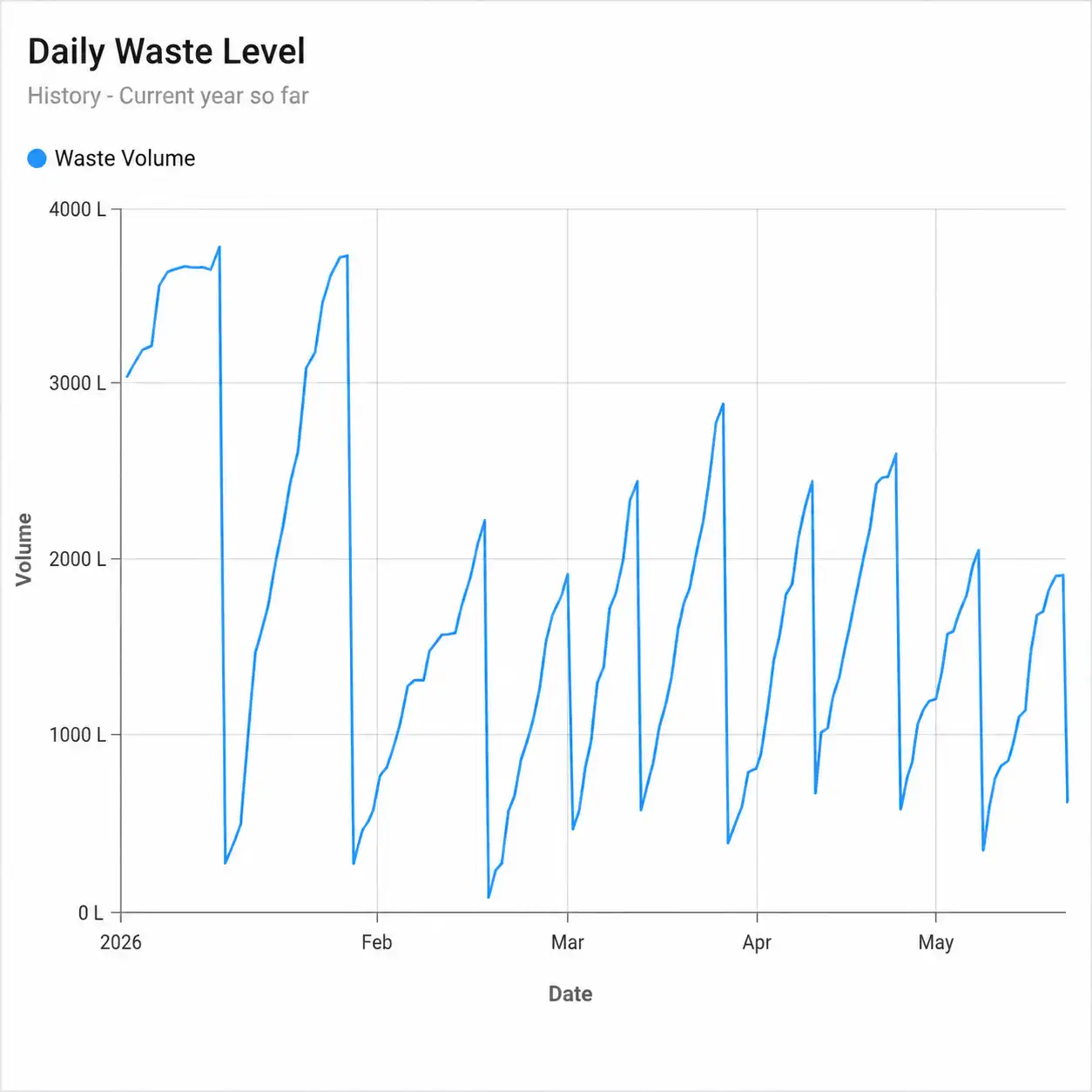
By monitoring system usage and collection levels, Biofeed allows operators and waste contractors to make more informed collection decisions based on actual usage data rather than assumptions or fixed collection cycles.
For hospitality venues, this can help:
- Avoid unnecessary collections
- Improve collection scheduling efficiency
- Reduce wasted transport costs
- Improve reporting and visibility
- Support measurable waste management outcomes
- Provide better operational oversight across multiple sites
For larger hospitality groups, hotels and commercial operations, access to measurable waste data can also support sustainability reporting, ESG initiatives and long-term waste reduction planning.
Instead of simply collecting waste on a schedule, Biofeed helps create a smarter and more data-driven food waste management process.
Using Waste Data to Support Food Waste Reduction
For many hospitality venues, reducing food waste is just as important as managing it efficiently.
Biofeed’s monitoring and reporting capabilities can help provide better visibility into food waste generation across a venue. This allows operators to better understand waste patterns, identify inefficiencies and support long-term waste reduction initiatives.
For example, venues may begin identifying trends around:
- Plate waste after service
- Production waste during food preparation
- Overproduction during peak periods
- Buffet or catering waste
- Seasonal fluctuations in food waste volumes
This type of visibility can help hospitality businesses measure the effectiveness of waste reduction programs over time rather than relying on guesswork alone.
For larger hospitality groups, hotels and commercial kitchens, measurable waste tracking can also support sustainability reporting, ESG initiatives and operational benchmarking across multiple sites.
Instead of simply removing food waste, Biofeed helps create a more informed and measurable approach to food waste management.
Supporting FOGO Compliance for Hospitality Businesses
Food waste management is becoming more important for Australian businesses as councils, regulators and waste contractors place greater emphasis on organics separation.
In New South Wales, the rollout of Food Organics and Garden Organics (FOGO) requirements is increasing the need for businesses to separate food waste from general waste streams.
For hospitality businesses, this means food waste can no longer be treated as a simple back-of-house inconvenience. It is becoming an operational, financial and compliance issue.
Biofeed helps hospitality venues prepare for stronger organics diversion expectations by supporting:
- Better food waste source separation
- Reduced general waste contamination
- Improved diversion of organics from landfill
- Cleaner back-of-house waste handling
- More measurable waste management outcomes
Better Hygiene and Less Bin Storage
Food waste bins can quickly become a hygiene problem, especially in busy hospitality environments.
Bins filled with food scraps can create odours, attract pests, take up valuable storage space and require constant movement by staff.
By reducing the amount of food waste stored in bins, Biofeed can help improve hygiene and site presentation.
This is especially valuable for:
- Hotels
- Restaurants
- Pubs and clubs
- Cafes
- Resorts
- Event venues
- Catering kitchens
- Aged care kitchens
- Commercial food service operations
Less food waste sitting in bins means cleaner waste areas, fewer odour issues and a more professional back-of-house environment.
Reduce Food Waste Going to Landfill
Food waste sent to landfill creates unnecessary environmental impact.
When organic waste breaks down in landfill, it can contribute to methane emissions and increase the environmental footprint of a hospitality business.
Biofeed helps venues take a more responsible approach by supporting food waste diversion from landfill and improving the way organic waste is handled at the source.
For businesses with sustainability targets, ESG goals or environmental reporting requirements, this can support a stronger and more measurable waste reduction strategy.
The Importance of Source Separation
The success of any food waste management system depends on good source separation.
For Biofeed to perform effectively, food waste must be separated from packaging, cutlery, gloves and other contaminants before it reaches the machine.
Hospitality businesses should clearly define:
- Where food waste is generated
- Who is responsible for separating it
- Which bins should be used
- How waste moves from the kitchen to Biofeed
How contamination risks are managed
When staff understand the process, Biofeed becomes easier to operate and more effective over the long term.
Where Biofeed Fits in Hospitality Operations
Biofeed can be used across a wide range of hospitality environments where food waste is produced daily.
Common applications include:
- Commercial kitchens
- Hotel kitchens
- Restaurant kitchens
- Food preparation areas
- Catering facilities
- Function centres
- Clubs and pubs
- Resorts and accommodation venues
Large hospitality venues with multiple food outlets
The system is designed to work as part of a broader food waste strategy, helping businesses reduce waste handling costs while improving operational control.
Turn Hospitality Food Waste into Measurable Savings
Hospitality businesses are under constant pressure to reduce operating costs, improve hygiene and meet stronger environmental expectations.
Biofeed helps address all three.
By processing food waste on site, Biofeed can reduce bin volumes, lower collection costs, improve waste area hygiene and support better organics diversion.
For hospitality venues looking to take control of food waste, Biofeed provides a practical commercial food waste management system built for real-world operations.
Calculate Your Food Waste Savings
Want to understand what Biofeed could mean for your venue?
Use the Biofeed savings calculator to estimate potential cost savings based on your current food waste volume and collection setup.
You can also contact the Biofeed team to discuss your site, current waste process and potential return on investment.
Use the Biofeed savings calculator to estimate how much your venue could potentially save on food waste collection.
Frequently Asked Questions
What is hospitality food waste management?
How can Biofeed reduce food waste collection costs?
Is Biofeed suitable for commercial kitchens?
Does Biofeed help with FOGO compliance?
What types of hospitality businesses can use Biofeed?
Does Biofeed replace traditional food waste bins?
Can Biofeed help reduce odours and pests?
Yes. By removing food waste from traditional bins and processing it immediately, Biofeed helps improve hygiene, reduce odours and keep waste areas cleaner and easier to manage.
Food waste bins can quickly become unpleasant, attracting flies, maggots and vermin while generating strong odours. This often requires frequent collections to prevent waste build-up and hygiene issues.
Biofeed eliminates the need for organic waste bins by transferring food waste into a sealed external storage tank, containing odours and improving site cleanliness. The result is a cleaner, safer waste area, reduced pest activity and fewer food waste collections.