
Turn Food Waste into Measurable Financial and Environmental Gains Copy
Commercial food waste management is no longer just a sustainability initiative — it’s a financial and regulatory priority for Australian businesses.
With rising waste collection costs, increasing landfill levies, and the rollout of NSW EPA Food Organics and Garden Organics (FOGO) reforms, businesses across hospitality, aged care, food manufacturing and commercial kitchens are looking for smarter ways to manage organic waste on-site.
A commercial food waste macerator system like Biofeed transforms food waste into measurable financial savings while supporting compliance and environmental performance.
Real, Measurable Savings in Collection Costs
One of the most immediate benefits of installing an on-site food waste maceration system is the reduction in waste collection frequency and volume.
By macerating food waste into a semi-solid, pumpable pulp, Biofeed helps significantly reduce:
- The number of bins required on site
- The frequency of heavy vehicle collections
- Manual handling and labour associated with waste movements
- Overflow and contamination risks
For many commercial sites, this translates directly into:
- Lower waste service charges
- Reduced haulage and third-party collection costs
- Fewer truck movements on site
- Less disruption to daily operations
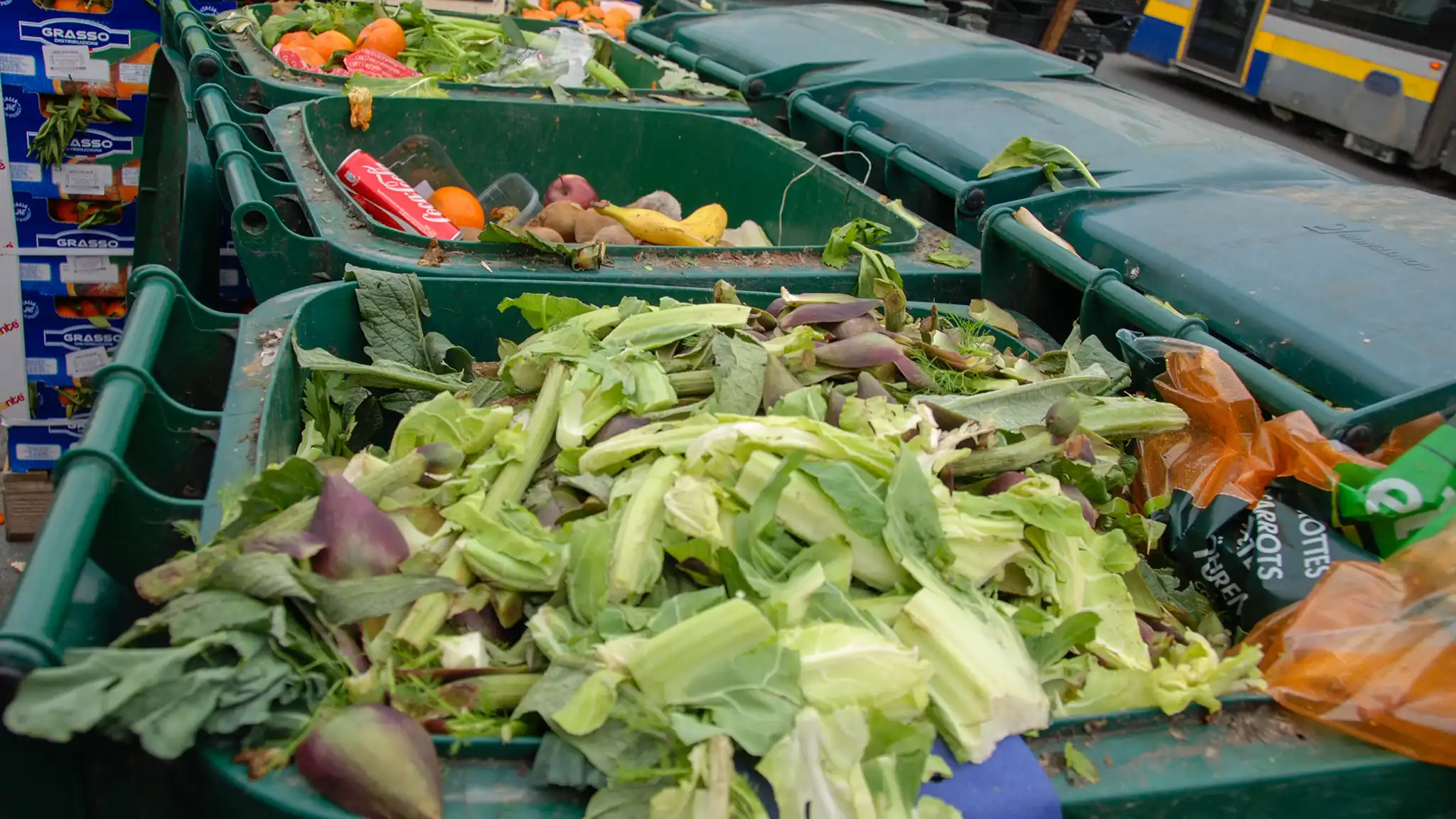
Instead of paying to transport heavy, water-laden food waste to landfill or processing facilities, businesses can process organic waste at the source.
Supporting NSW EPA FOGO Compliance for Businesses
The NSW EPA’s rollout of Food Organics and Garden Organics (FOGO) requirements is driving stronger expectations around organic waste separation and landfill diversion.
For commercial kitchens, food production sites and large hospitality venues, this means:
- Improved source separation
- Reduced contamination
- Clear documentation of diversion practices
- Reduced reliance on landfill disposal
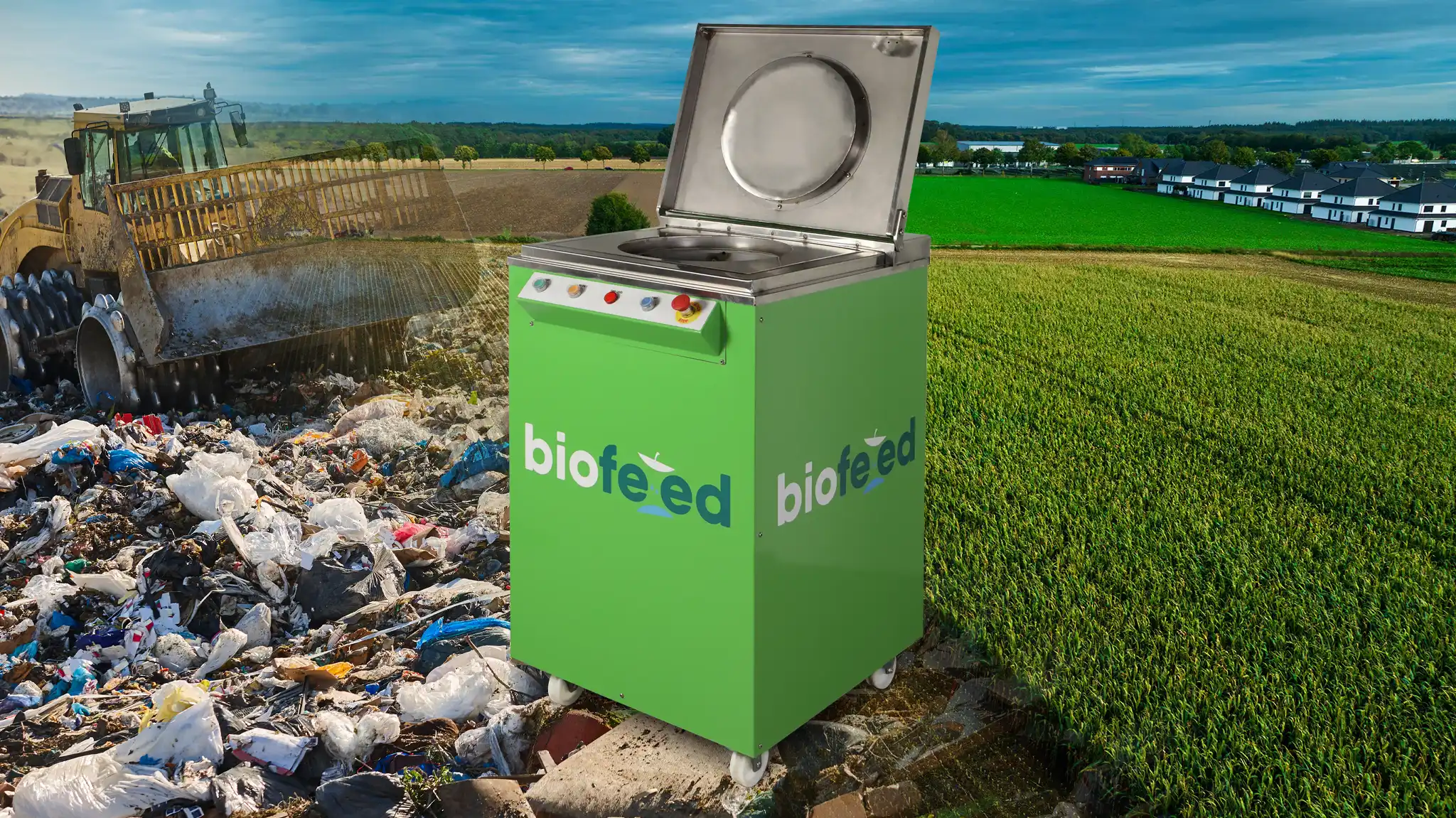
An on-site food waste macerator system supports these objectives by enabling controlled processing of separated organic waste streams.
As landfill levies increase and regulatory pressure tightens, proactive businesses are shifting towards on-site food waste processing to reduce exposure to future cost increases.
Environmental Benefits of On-Site Food Waste Processing
Reducing waste collections doesn’t just save money — it lowers emissions.
Fewer truck movements result in:
- Reduced diesel consumption
- Lower CO₂ and greenhouse gas emissions
- Less congestion and noise on site
- Improved local environmental impact
In addition, improved diversion of organics from landfill reduces methane generation — one of the most significant contributors to greenhouse gas emissions in the waste sector.
For businesses with sustainability targets or ESG reporting requirements, measurable reductions in transport and landfill reliance can support broader environmental commitments.
The Most Critical Factor: Adoption and Buy-In
Technology alone does not deliver results.
The biggest determinant of success with any commercial food waste management system is organisational adoption.
To unlock maximum financial and environmental value, businesses must commit to proper food waste source separation across the entire site.
This starts with understanding:
- Where food waste is generated (kitchens, prep areas, front of house, production lines)
- Who handles the waste at each point
- How it’s placed into bins and transported to the Biofeed
Without this clarity, contamination risks increase and system performance suffers.

Getting Source Separation Right
Effective source separation ensures:
- Only approved food waste enters the system
- Packaging, gloves, cutlery and contaminants are excluded
- Responsibility is defined at the point of waste generation
- Staff understand what belongs in each waste stream
It is especially important to consider whether waste is handled by:
- Back-of-house kitchen staff
- Front-of-house teams
- Cleaning or facilities personnel
Clear ownership and simple, enforceable rules at the point of generation prevent problems later in the process.
When contamination doesn’t enter the bin, it won’t enter the machine.

The Role of the Biofeed Operator
Every Biofeed installation relies on an operator — and their role varies by business.
The operator is responsible for:
- Confirming correct waste streams are being fed
- Monitoring contamination risk
- Ensuring bins are presented correctly
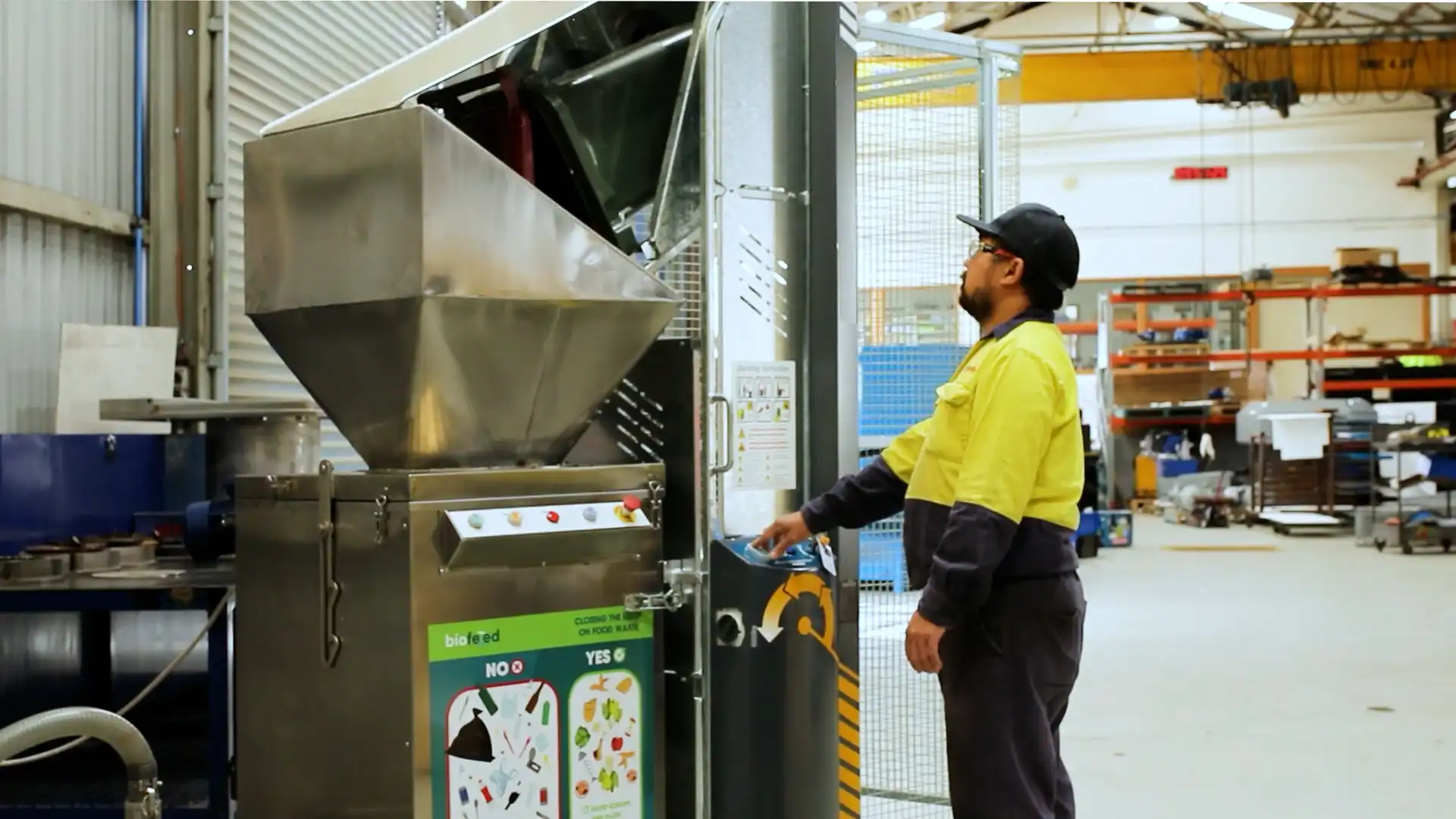
For systems fitted with bin lifters, this role becomes even more important. Once a bin is lifted, the operator cannot see the full contents of the bin before tipping. That means contamination control must happen before the bin ever reaches the Biofeed.
The takeaway is simple: if contamination doesn’t enter the bin, it won’t enter the machine.
Turning Food Waste Technology into Long-Term Value
A commercial food waste macerator delivers the strongest results when treated as part of a broader waste management strategy — not just as a standalone machine.
Businesses that achieve the greatest return typically:
- Analyse waste generation patterns across their site
- Assign clear responsibility for source separation
- Train staff at the point of generation
- Monitor contamination and compliance
- Review collection costs regularly
When properly implemented, an on-site food waste processing system can deliver:
- Reduced collection and haulage costs
- Improved FOGO compliance
- Lower landfill exposure
- Reduced environmental footprint
- Greater operational control
Food waste then shifts from being a cost burden to a controllable operational process.
Frequently Asked Questions
What is a commercial food waste macerator?
A commercial food waste macerator is a system that grinds and processes organic food waste into a semi-solid, pumpable pulp. This reduces waste volume and allows businesses to manage organic waste more efficiently on-site.