THE RULES FOR COMMERCIAL FOOD WASTE IN NSW HAVE CHANGED
The NSW Food Waste Mandate is now in force. Is your site compliant?
Since 1 July 2026, larger NSW food-handling businesses must legally separate food waste from general waste. Biofeed helps commercial kitchens, hospitals, hotels and high-volume sites comply with a cleaner, smarter on-site processing system that reduces bin pressure and supports compliance readiness.
Is Your Business Captured by the New Laws?
The NSW Environment Protection Authority (EPA) is phasing in mandatory food waste separation to reduce landfill pressure and cut emissions. If your site is captured by the staged rollout, you will need to ensure food waste is separated from general waste, collected weekly and transported separately from non-organic waste.
The rollout is strictly staged based on your weekly general waste volume:
-
Stage 1 (From 1 July 2026): Sites generating 3,960 litres or more per week (e.g., 6x 660L bins or 16x 240L bins).
-
Stage 2 (From 1 July 2028): Sites generating 1,980 litres or more per week (e.g., 3x 660L bins or 8x 240L bins).
-
Stage 3 (From 1 July 2030): Sites generating 720 litres or more per week (e.g., 1x 660L bin or 3x 240L bins).
- Supermarkets
- Hotels & Pubs
- Hospitals & Aged Care
- Schools & Universities
- Shopping Centres & Food Courts
Why Waiting Could Become Your Biggest Operational Risk
The EPA has published penalties for non-compliance, including maximum fines of up to $500,000 and $50,000 per day for continuing offences. But for many businesses, the immediate risk is operational: extra bins, tighter loading docks, odours, manual handling, staff training, contractor coordination and rushed implementation.
Many sites may try to respond by adding more food waste bins. For high-volume commercial kitchens and multi-use facilities, that can quickly create new problems:
- Increased manual labour and heavy lifting
- Severe odour and hygiene issues
- Increased risk of pests
- More frequent waste collections and loading dock disruption
A rushed response close to the deadline leads to higher costs, poor operational fit, and a logistical nightmare for your team.
Support Your Food Waste Separation Strategy While Improving Operations
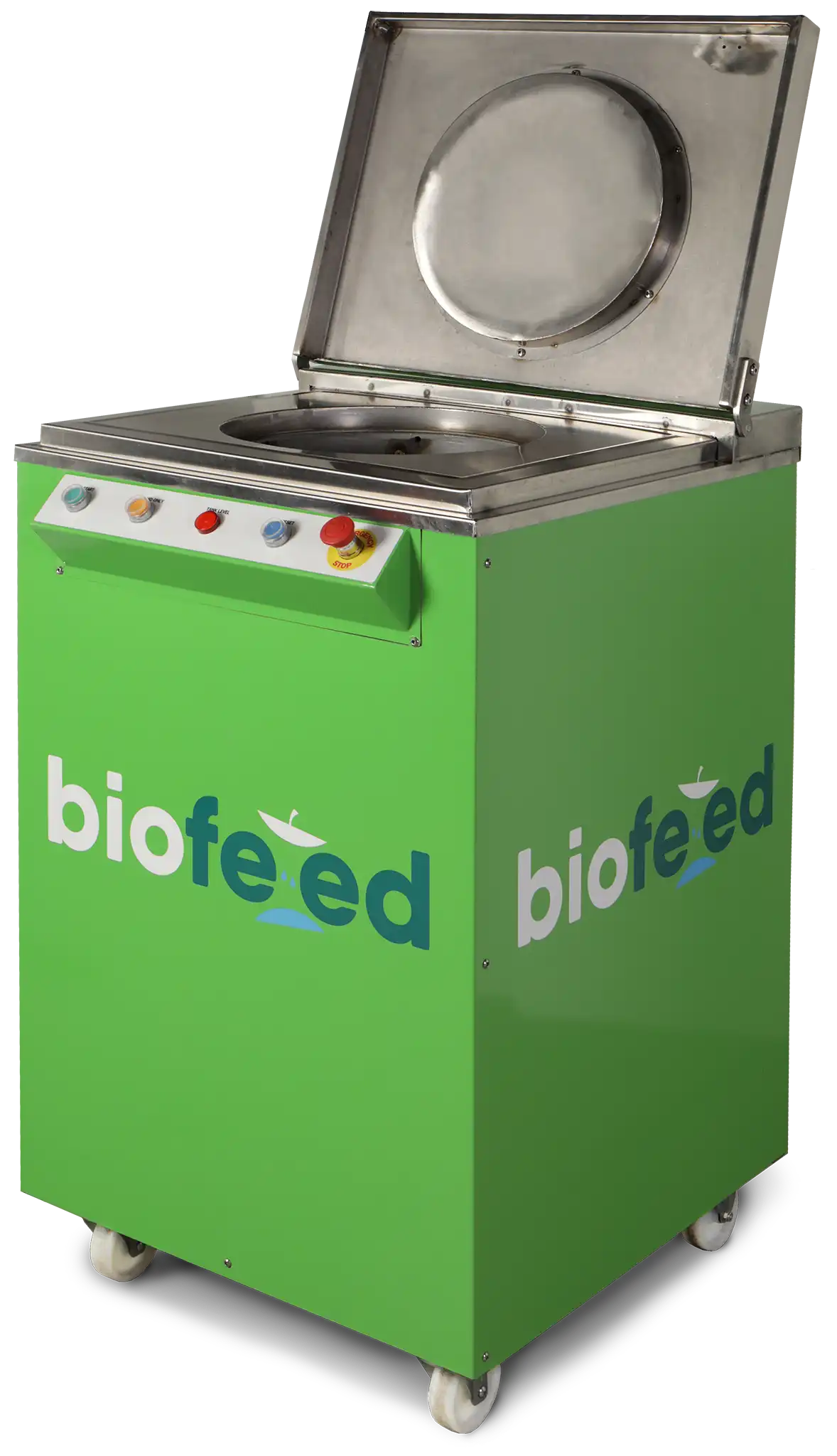
Biofeed is designed to help commercial sites improve food waste handling at the source. Instead of relying entirely on traditional, messy bin storage, Biofeed processes food organics on-site through an automated, sealed system.
How Biofeed Supports Site Readiness

Source Separation Made Simpler
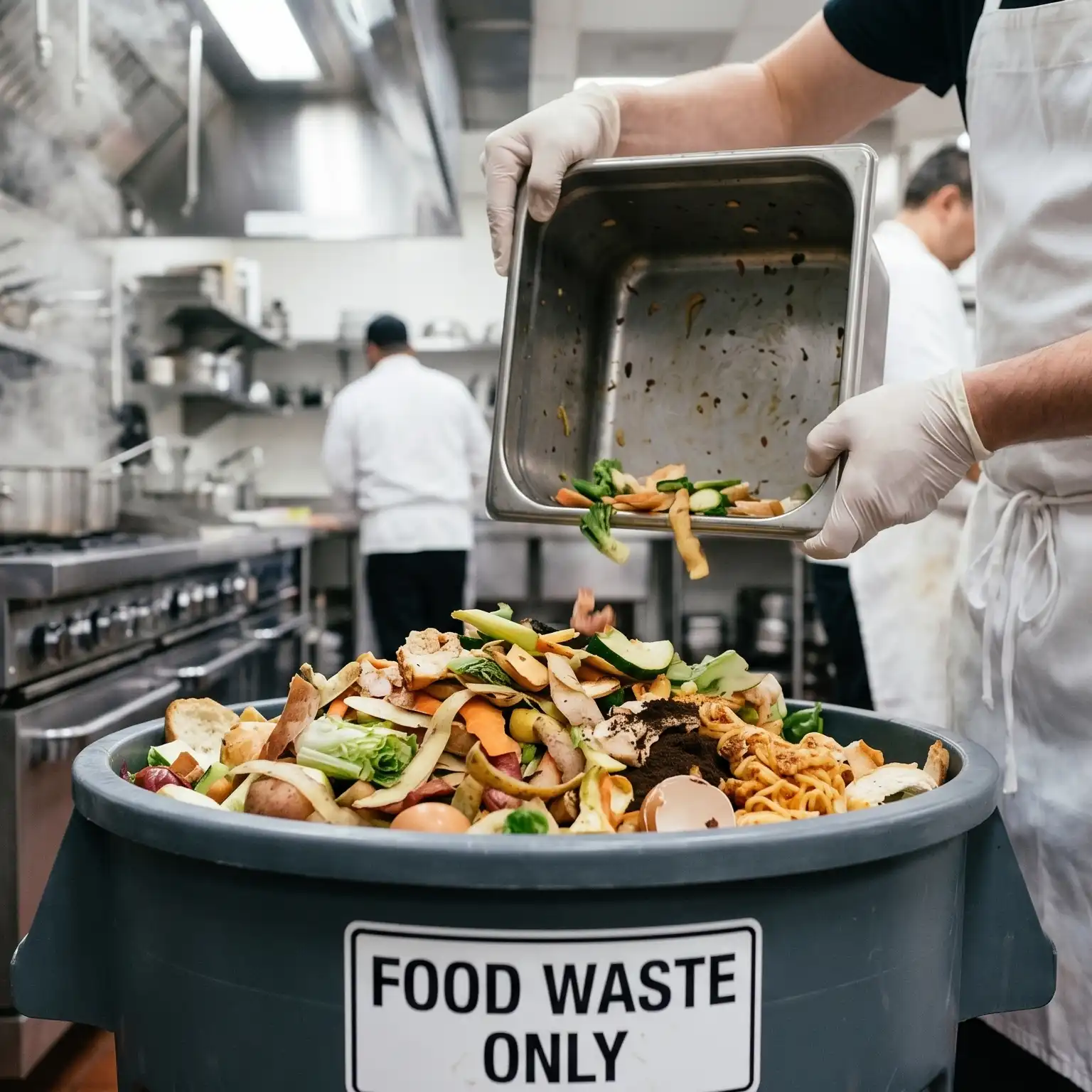
Food waste is separated at the source and loaded into the Biofeed unit, supporting the NSW requirement to keep food organics out of general waste.
Fewer Overflowing Food Waste Bins
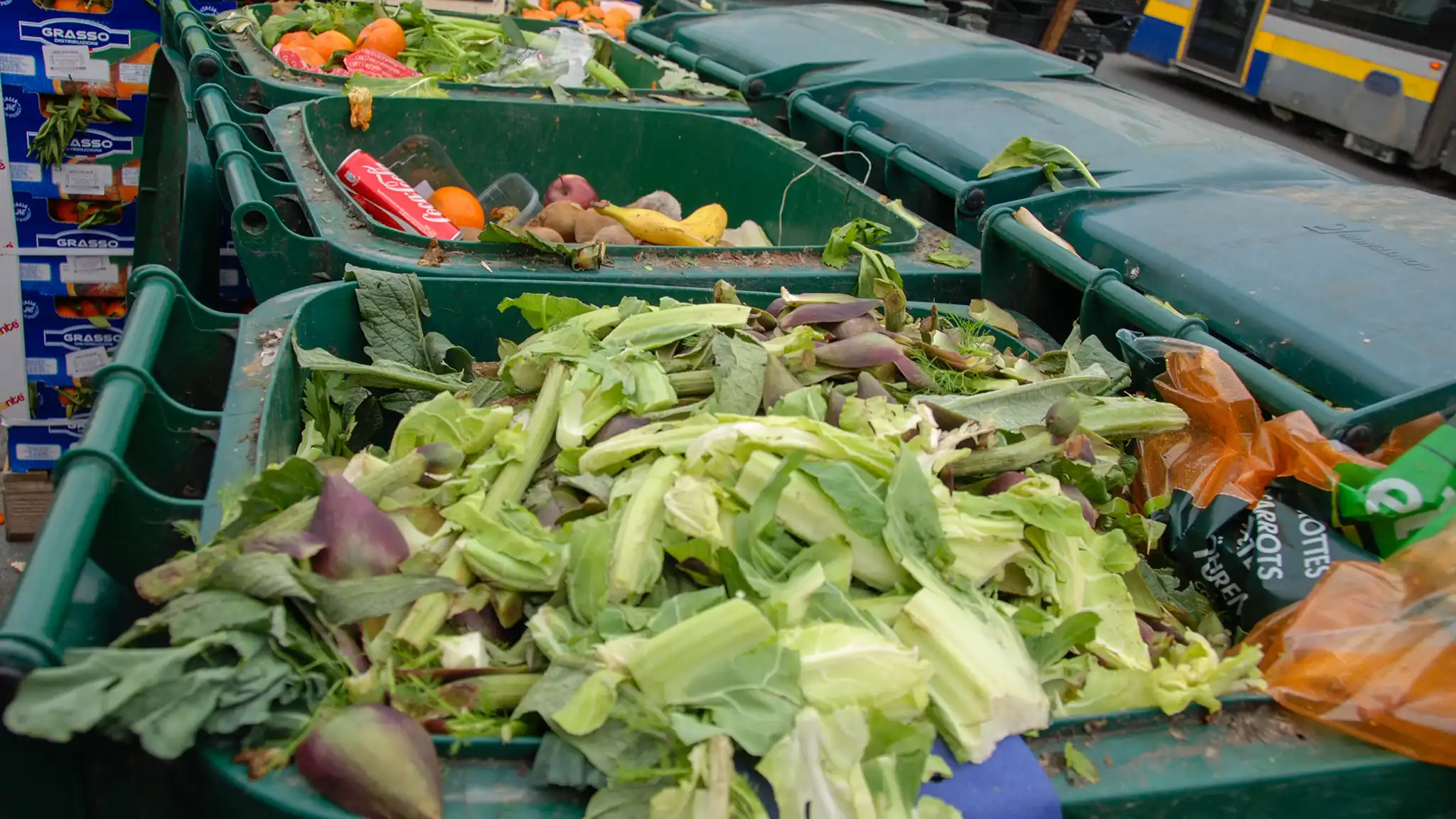
Biofeed processes heavy, wet food waste into a pumpable organic slurry, helping reduce the number of food waste bins taking up space on site.

Cleaner, Safer Sites:
The sealed holding tank helps control odours, reduce pest access and support higher hygiene standards in hospitality, healthcare, education and food service environments.
Clear Waste Data Visibility
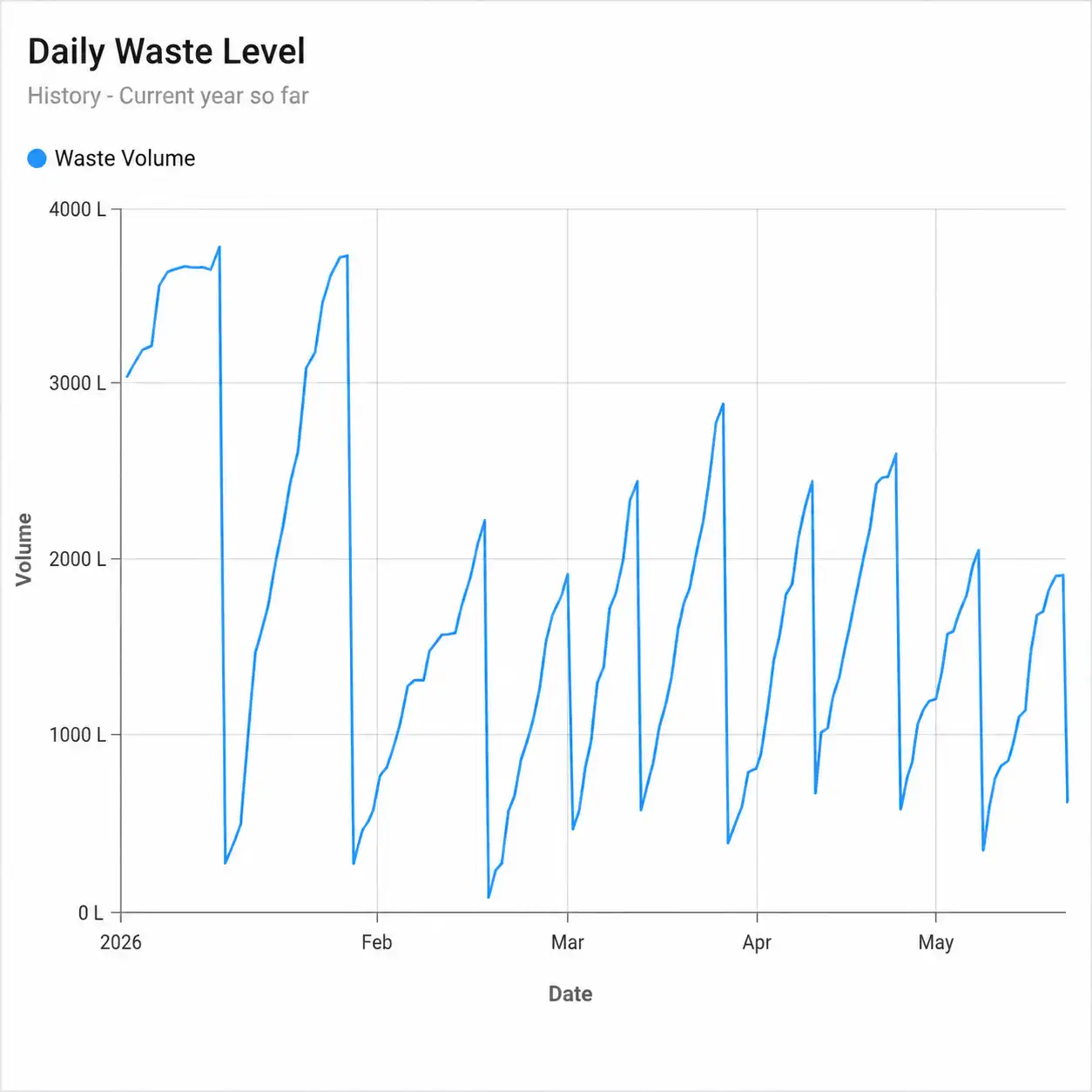
Live cloud-based reporting and tank-level alerts give you better visibility over food waste volumes, helping multi-tenant sites, shopping centres and large facilities plan collections more effectively.
A Smarter Pathway to Food Waste Compliance
Every business captured by the NSW food waste mandates needs a food waste management strategy.
Biofeed helps businesses separate, process and manage food waste on-site, reducing bin volumes, storage requirements, odours and collection costs.
For sites seeking to reduce food organics collection frequency, the NSW EPA has identified a Custom Exemption pathway for businesses using alternative food waste management solutions. Biofeed may support applications under the EPA's "Viable Alternatives" exemption category where less-than-weekly food organics collection is appropriate for the site.
Our team can help you understand how Biofeed fits within your broader food waste management strategy and provide supporting information for exemption applications where required.
Less bins. Less collections. Less waste handling. A smarter food waste strategy.
Offset Your Costs:
Up to $50,000 in NSW EPA Rebates
Eligible NSW businesses may be able to access significant funding to help improve food waste recovery. Under the NSW EPA Bin Trim Equipment Rebates Program, approved projects may receive funding for up to 50% of eligible equipment costs, capped at a maximum of $50,000.
Let us help you navigate the process safely.
⚠️ THE GOLDEN RULE OF EPA FUNDING:
You must complete the required Bin Trim process and receive NSW EPA rebate approval before any equipment is ordered, purchased, leased or installed. Equipment procured before approval will not be eligible for funding.
Savings Beyond Compliance
Biofeed isn’t just about ticking an EPA box—it’s an investment in a leaner, more cost-effective facility.
-
Reduce Disposal Pressure With Greater Sydney facing landfill capacity pressure, general waste disposal costs are likely to keep increasing. Diverting heavy food waste from general waste can help protect your bottom line.
-
Fewer Truck Movements Reduced bin reliance can mean fewer collection visits, less loading dock congestion, lower noise and reduced haulage dependence.
-
Reduced Manual Handling Reduce the need for staff to move heavy, leaking food waste bins across your facility. Biofeed helps automate one of the heaviest and least pleasant parts of the waste stream.
-
Measurable Sustainability Create a clean, consistent organic waste stream ready for approved downstream recovery (like commercial composting or anaerobic digestion), directly supporting your corporate environmental targets.
Stage 1 is now in force. Secure your site assessment today.
The NSW food waste mandate is live. If your site is captured, the requirement applies now, so the sooner you act, the more time you have to review waste volumes, confirm rebate eligibility, plan installation and train staff properly rather than under pressure.
00
Days
00
Hours
00
Minutes
00
Seconds